
TikTok has rapidly evolved from a viral short-form video app into a formidable economic engine, fundamentally reshaping how digital creators generate substantial income. With its unprecedented reach and highly engaging algorithm, the platform has become a launchpad for a new generation of millionaires, transforming casual content creation into a lucrative career path. This comprehensive research report delves into the intricate dynamics of TikTok influencer earnings, examining the exponential growth of top creators’ revenues, the pivotal role of brand endorsements, and the diverse monetization strategies employed across different influencer tiers.
This report for GDMXchange provides an in-depth analysis of the financial landscape within TikTok’s creator ecosystem, highlighting the significant disparities between platform-driven payouts and the massive revenue potential from external brand collaborations. We explore the driving forces behind the shift in marketing budgets towards TikTok, the emergence of new income streams like live-streaming and e-commerce, and the evolving challenges confronting creators, from intense competition to regulatory uncertainties. By shedding light on these critical trends, we aim to offer a holistic understanding of the current state and future trajectory of income generation for TikTok influencers.
Key Takeaways
- TikTok’s top creators earned $55.5 million in 2021, a 200% increase year-over-year, driven by exploding engagement.
- Individual stars like Charli D’Amelio and Khaby Lame command multi-million dollar annual incomes and up to $750,000 per sponsored post.
- Brand partnerships account for 30-50% of top creators’ income, with leading brands paying $100,000 – $250,000 per post for mega-influencers.
- TikTok’s Creator Fund offers relatively low direct payouts ($0.02 – $0.04 per 1,000 views), making external income streams crucial.
- Global influencer marketing budgets are rapidly shifting to TikTok, with 38% of marketers using the platform for campaigns, rivaling Instagram.
- Growing user base (1B+ global users) and new features like TikTok Shop and live-streaming contribute to diverse monetization opportunities.
- Despite significant earnings for top tier, competition, regulatory risks, and income disparity remain key challenges for most creators.
1. Executive Summary
TikTok has rapidly emerged as a powerful platform for digital creators, greatly changing how individuals can earn substantial incomes. In a short period, TikTok has shifted from a primarily entertainment-focused app to a significant economic engine, generating millions of dollars for its top influencers. This report section provides a summary of key findings regarding TikTok influencer earnings, growth patterns, and the challenges faced within this dynamic market. It explores the financial scale of top creators, the main income streams, the role of brand partnerships, and the relatively low payouts from TikTok’s direct monetization programs. The section also examines the platform’s user growth, the increasing investment from marketers, and the diverse strategies influencers employ to build sustainable careers. Despite concerns about income inequality and regulatory risks, TikTok has cemented its position as a core component of the global creator economy, offering substantial opportunities for a wide range of creators.
1.1 Overview of Influencer Earnings and Growth
The financial success of TikTok’s leading creators has seen remarkable growth. In 2021, the highest-paid TikTok stars collectively earned approximately $55.5 million, marking a 200% increase from their combined earnings in 2020[1]. This rapid increase highlights TikTok’s evolution into a serious source of income for digital content creators. For instance, the D’Amelio sisters, Charli and Dixie, saw their annual earnings rise significantly, quadrupling from less than $7 million in 2020 to $27.5 million in 2021[2]. This growth demonstrates the platform’s capacity to create high-income opportunities for individuals.
Individual influencers also command substantial earnings. Charli D’Amelio, identified as the highest-paid TikTok star in 2021, earned an estimated $17.5 million that year[3]. Addison Rae, another prominent figure, made around $8.5 million in 2021[4]. The global appeal of TikTok is further exemplified by creators like Khaby Lame, who became the most-followed TikToker. He can charge up to $750,000 for a single sponsored brand post and was projected to earn approximately $10 million in 2022[5]. These figures indicate that top TikTok talent can achieve earnings comparable to traditional celebrities, underscoring their significant value in the digital advertising market.
The expansion of TikTok’s user base is a primary driver of this earnings boom. By 2021, the app had surpassed 1 billion global users[12]. In the United States alone, TikTok’s monthly active users increased from 100 million in 2020 to 150 million in 2023[13]. This growing audience attracts advertisers and brand partnerships, which directly contributes to higher income for creators. The ability of TikTok’s algorithm to generate widespread visibility means that even relatively new or smaller creators can achieve considerable reach, which helps to attract brand attention.
The influencer marketing industry is rapidly reallocating budgets toward TikTok. Global spending on “creator marketing” reached an estimated $21 billion in 2023, an increase from $1.6 billion in 2016[10]. A 2024 survey showed that 38% of marketers use TikTok for influencer campaigns, positioning it closely with Instagram (39%) as a leading platform[11]. This reflects a recognition among marketers of TikTok influencers’ ability to reach large audiences, particularly younger demographics.
1.2 Key Income Streams for TikTok Influencers
While TikTok offers some direct monetization programs, brand partnerships serve as the most significant revenue component for influencers. Approximately 30-50% of top creators’ income derives from sponsorship deals[6]. By late 2021, leading companies were willing to pay between $100,000 and $250,000 per TikTok post for content from the biggest stars, more than double the rates from the previous year[7]. This highlights the substantial investment brands are making in TikTok influencer collaborations.
In contrast, TikTok’s Creator Fund offers relatively modest payouts. The platform typically pays creators between $0.02 and $0.04 per 1,000 video views[8]. This means 1 million views on TikTok might generate only $20 to $40 for a creator, which is considerably less than the ad revenue earned on platforms like YouTube for a similar audience size[9]. This low direct payout forces influencers to seek other revenue avenues, such as brand deals, merchandise sales, and cross-platform content, to build a sustainable income.
However, monetization opportunities are expanding. Live-streaming and e-commerce features are contributing to new income streams. In Q3 2023 alone, TikTok users spent over $250 million on virtual “gifts” for live-streamers[17]. While TikTok reportedly retains around 77% of the gift’s value, creators receive approximately 23%[19], which can still result in significant earnings for popular streamers. Features like TikTok Shop and affiliate links allow influencers to earn commissions from product sales, with 42% of businesses planning to invest in TikTok’s shopping features[20]. These developments indicate an increasing range of monetization options for influencers.
The ability of TikTok content to drive real sales further boosts influencer value. A survey shows that 50% of TikTok users have made impulsive purchases of $100 or more because of a creator’s recommendation in the past year[21]. This direct influence on consumer spending makes brands eager to collaborate with TikTok personalities, often resulting in higher fees as a direct correlation between authentic recommendations and boosted product demand is observed.
1.3 Market Dynamics and Influencer Categories
The market for TikTok influencer services is diverse, encompassing a wide range of creators with varying follower counts and corresponding rates:
| Influencer Category | Follower Count | Average Rate Per Post (2023) |
|---|---|---|
| Nano-influencers | 1K-10K | $800[16] |
| Micro-influencers | 10K-50K | $1,500[16] |
| Mid-tier influencers | 50K-500K | $3,000[16] |
| Macro-influencers | 500K-1M | $5,000[16] |
| Mega-influencers | 1M+ | $7,000+[16] |
The average fee for a sponsored TikTok post reached approximately $3,500 in 2023[15]. This shows that many creators, not just those at the very top, can monetize their content effectively. Even micro-influencers with 10,000 to 50,000 followers can charge around $1,500 per post, enabling TikTok content creation to be a lucrative activity for a broader range of individuals.
However, there is a significant income disparity within the creator economy on TikTok. While the highest earners achieve multi-million dollar incomes, the majority of creators earn considerably less. For a creator to be included in Forbes’ list of top earners in 2021, an income of at least $4.75 million was required[22]. This threshold was several times higher than the previous year, indicating that a concentrated group of superstar influencers captures the largest share of revenue. Many mid-level creators might earn in the low five or six figures, highlighting the uneven distribution of income.
1.4 Challenges and Future Outlook
Despite the substantial growth in earnings, challenges persist. Elevated competition is a factor, as millions of creators are now vying for attention and brand deals. External forces, such as potential regulatory actions and bans in certain regions, introduce uncertainty regarding the platform’s future viability. For example, India banned TikTok in 2020, and similar discussions have occurred in the U.S.[34]. Such events could disrupt creators’ ability to reach their audiences and generate income.
TikTok is actively working to address some of the monetization challenges. New programs, such as the Creativity Program Beta, launched in 2023, aim to increase payouts for longer-form content. These efforts seek to improve the financial viability for a wider range of creators, although they are still in early stages. Furthermore, the increasing pressure to produce consistent, viral content can lead to creator burnout, affecting their long-term engagement and income potential. This raises questions about the sustainability of current content production models and the need for more stable income streams.
The future trajectory for TikTok influencer earnings points to continued growth, albeit with factors that demand adaptability. Influencers are diversifying their income streams by expanding to other platforms like YouTube and Instagram, entering traditional media, and launching their own product lines. Examples include Addison Rae’s film deals and cosmetics line[23], and the D’Amelio sisters’ reality TV show and fashion brand[24]. Khaby Lame’s global success, without relying on spoken language, demonstrates TikTok’s reach and the potential for international stars[25]. Additionally, individuals like Kat Norton (“Miss Excel”) illustrate how specialized expertise can be monetized effectively through TikTok as a marketing channel for courses and products, generating millions in revenue outside of direct platform payments[29]. This indicates that while the platform drives initial fame, long-term success often requires leveraging that fame into broader entrepreneurial ventures. The overall trend suggests that TikTok will remain a major player in the creator economy globally, with influencers and businesses needing to adapt to its fast-changing environment.
1.5 Conclusion
TikTok has rapidly transformed into a powerful platform for rare influencer earnings, driven by its massive user base and substantial investment from marketers. While brand partnerships account for the majority of top creators’ income, the platform is expanding its monetization options through live-streaming, gifting, and e-commerce integrations. Despite income inequalities and some external risks, the overall growth trajectory for TikTok influencers remains positive. Success on TikTok often involves diversifying revenue streams beyond direct platform payouts and leveraging fame into broader entrepreneurial or media ventures. The platform continues to shape the creator economy, fostering new forms of celebrity and business models. This section provides the foundation for further discussion on specific aspects of TikTok influencer earnings in subsequent parts of this report.
2. Top Influencer Earnings
The rise of TikTok has led to a significant shift in the digital economy, creating instant celebrities and substantial wealth for its most popular creators. These individuals, often starting from humble beginnings, have leveraged the platform’s reach and engaging format to build multi-million dollar careers. This section details the rapid growth in earnings for top TikTok influencers, highlighting specific examples such as Charli D’Amelio, Addison Rae, and Khaby Lame. It explores the diverse revenue streams that contribute to their income, from brand sponsorships to personal ventures, and examines the economic forces that underpin this new creator economy.
2.1 The Rapid Growth of Top TikTok Earnings
TikTok’s explosive user growth has directly translated into a massive increase in earning potential for its top creators. In 2021, the highest-paid TikTok stars collectively earned an estimated $55.5 million. This figure represents a 200% increase from their combined earnings in 2020[1]. This rapid escalation in income underscores TikTok’s transition from a casual content sharing platform to a serious source of income for digital content creators. The D’Amelio sisters, for instance, saw their annual earnings nearly quadruple from under $7 million in 2020 to $27.5 million in 2021[2]. This growth demonstrates how quickly influence on TikTok can be converted into significant financial gain.
The financial scale achieved by these top influencers rivals that of traditional celebrities. Charli D’Amelio, for example, earned an estimated $17.5 million in 2021 alone[3]. Addison Rae also secured a substantial income, making about $8.5 million in the same year[4]. Khaby Lame, who rose to become the most-followed TikToker, can command up to $750,000 for a single brand post and was projected to earn $10 million in 2022[5]. These figures demonstrate the immense value brands place on reaching TikTok’s highly engaged audience through its most popular personalities.
The increase in earnings for top TikTok creators is supported by several factors:
- User Growth: TikTok reached over 1 billion global users by 2021[11]. In the U.S., monthly active users grew from 100 million in 2020 to 150 million in 2023[12]. This expanding audience provides a larger market for influencers to monetize.
- Increased Brand Spending: Brands are allocating more marketing budgets to TikTok. Global spending on “creator marketing” was projected at $21 billion in 2023, a significant increase from $1.6 billion in 2016[9].
- High Engagement: TikTok’s algorithm and short-video format often lead to higher engagement rates compared to other social media platforms.
The threshold to be considered a “top earner” on TikTok has also increased rapidly. In 2021, a creator needed at least $4.75 million in annual earnings to make the list, which was several times higher than the cutoff for the initial “TikTok rich list” in 2020[15]. This indicates a growing concentration of wealth at the top tiers of the platform’s creator economy.
2.2 Key Revenue Streams for Top TikTok Influencers
While TikTok provides direct monetization features, the vast majority of income for top influencers comes from external sources, primarily brand partnerships and diversified business ventures.
2.2.1 Brand Sponsorships and Deals
Sponsored content represents the main revenue stream for TikTok influencers. Forbes reported that between 30% and 50% of top creators’ income originates from sponsorship deals where brands pay for promotional posts[6]. By late 2021, leading companies were paying top creators anywhere from $100,000 to $250,000 per TikTok post. This was more than double the rates from a year prior, showing brands’ willingness to invest heavily in TikTok influencer marketing[7].
The value of these sponsored posts is a direct reflection of the influencer’s reach and ability to drive consumer behavior. A survey found that 50% of TikTok users had spent at least $100 on impulse purchases influenced by creators in the past year[13]. Additionally, Gen Z consumers are 34% more likely to buy a product recommended by a TikTok “shopping influencer” than through a traditional advertisement[13]. This compelling evidence of purchasing influence makes top TikTok personalities highly attractive to advertisers.
The cost of a sponsored TikTok post varies significantly based on the influencer’s follower count:
| Influencer Category | Follower Count | Average Rate Per Post (2023) |
|---|---|---|
| Nano-influencers | 1K-10K | $800[10] |
| Micro-influencers | 10K-50K | $1,500[10] |
| Mid-tier influencers | 50K-500K | $3,000[10] |
| Macro-influencers | 500K-1M | $5,000[10] |
| Mega-influencers | 1M+ | $7,000+[10] |
While the average cost of a sponsored TikTok video was $3,514 as of early 2023[10], top mega-influencers like Khaby Lame can command up to $750,000 per post[5]. This demonstrates the wide range of earning potential based on audience size and influence.
2.2.2 Diversified Business Ventures and Personal Brands
Top TikTok influencers do not rely solely on direct platform monetization or even just brand sponsorships. They often leverage their fame into broader, entrepreneurial pursuits. This includes launching their own product lines, acting roles, music careers, and other media projects.
- Charli and Dixie D’Amelio: Beyond their TikTok content and numerous brand deals with companies like Prada and Dunkin’ Donuts, the D’Amelio sisters expanded into an entertainment empire. Their ventures include a Hulu reality series, The D’Amelio Show, and a fashion line called Social Tourist in partnership with Hollister[2]. Charli also launched a fragrance and a signature Dunkin’ coffee drink[2].
- Addison Rae: Starting with an estimated $5 million in her first year of major TikTok fame (mid-2019 to mid-2020)[12], Addison Rae diversified her income by launching her own cosmetics line, Item Beauty, and securing a Netflix film deal, starring in He’s All That[12].
- Khaby Lame: In addition to charging high rates for individual sponsored posts, Khaby Lame signed major multi-year partnerships, including becoming a face of Hugo Boss, for whom he also walked the runway[9].
- Miss Excel (Kat Norton): Kat Norton showcases an alternative model. Using TikTok to share Excel tips, she has built an online business selling training courses, reportedly earning around $100,000 per day during peak course launches and achieving over $2 million in annual revenue[13]. She uses TikTok as a marketing funnel for her own products rather than relying on direct monetization from the platform.
These examples illustrate that for the highest earners, TikTok serves as a launchpad for establishing a personal brand that generates income across multiple platforms and through various business ventures. This approach allows them to stabilize and significantly increase their earnings beyond what platform-specific monetization alone could provide.
2.2.3 Live Streaming and Virtual Gifts
Live streaming on TikTok, though less prominent than brand deals for total income, provides a supplementary revenue stream. Users can purchase virtual “gifts” and send them to live streamers. In the third quarter of 2023 alone, TikTok users spent over $250 million on these digital gifts[7]. While TikTok retains a significant portion (reportedly 77%) of the gift purchase revenue, creators still receive about 23%[8]. Globally, the virtual gifting economy on TikTok was estimated to be worth $6.5 billion in 2023, with creators receiving around $1.5 billion after TikTok’s cut[8]. For popular streamers, this can amount to tens of thousands of dollars per session, complementing their other earnings.
2.2.4 Creator Fund and Other Platform Programs
TikTok’s Creator Fund, launched to directly pay creators for views, offers relatively low payouts. Creators earn only about $0.02 to $0.04 per 1,000 video views[5]. This means a video achieving 1 million views would generate only about $20 to $40 for the creator[5]. Compared to other platforms like YouTube, where ad revenue shares can be significantly higher per 1,000 views, the Creator Fund does not serve as a primary income source for most influencers. This low payout rate has led many creators to state that the Creator Fund is more of a bonus than a sustainable livelihood. In response to feedback, TikTok introduced the Creativity Program Beta in 2023, designed to improve payouts for longer videos, indicating an ongoing effort to enhance creator compensation directly from the platform.
2.3 Drivers of Influencer Value for Brands
The increasing willingness of brands to pay high fees to TikTok influencers stems from the platform’s unique ability to connect with consumers and drive sales.
- Reaching Younger Demographics: TikTok’s user base is heavily skewed toward Gen Z and Millennials, a demographic highly valued by advertisers. The platform serves as a direct channel to engage with these audiences in an authentic way.
- High Return on Investment (ROI): Successful TikTok campaigns can lead to immediate product sell-outs. The “TikTokMadeMeBuyIt” hashtag illustrates the platform’s power to influence purchasing decisions. Brands often see excellent returns on their influencer investments when a product goes viral.
- Authenticity and Trust: Consumers, especially younger ones, tend to trust recommendations from influencers more than traditional advertisements. This authenticity cultivated by creators makes their endorsements powerful sales tools.
- Algorithm-driven Virality: TikTok’s “For You Page” algorithm can propel content and creators to immense popularity rapidly. This potential for quick, widespread exposure is appealing to brands seeking to quickly generate buzz around their products.
2.4 Challenges and Future Outlook for Top Earners
Despite the current high earnings, the TikTok influencer field presents several challenges and evolving trends.
2.4.1 Inequality in Creator Earnings
While top influencers earn millions, the income distribution within the creator economy is highly skewed. The majority of creators with smaller to mid-sized followings earn significantly less, often only a few thousand dollars from the Creator Fund and small deals[15]. This creates a large gap between the superstar creators and the rest, highlighting the competitive nature of the platform.
2.4.2 Competition and Sustainability
The increasing number of creators on TikTok means intensified competition for attention and brand deals. Influencers must continuously produce relevant and engaging content to maintain their audience and value. This constant demand for new content can lead to burnout. Many top creators are adopting strategies like cross-platform content distribution (to Instagram Reels, YouTube Shorts, etc.) and exploring more stable income models beyond chasing viral trends.
2.4.3 Regulatory and Market Risks
TikTok faces geopolitical scrutiny due to its ownership by ByteDance. Threats of bans in key markets like the U.S. introduce uncertainty for creators and brands. Such disruptions could severely impact access to their audience and revenue streams. Influencers are becoming more aware of the need to diversify their presence and potentially mitigate these risks by migrating followers to other platforms or direct communication channels.
2.4.4 Maturing system and Future Strategies
The TikTok influencer system is maturing. Talent agencies, specialized management, and more advanced analytics are becoming standard. Brands are seeking longer-term relationships with influencers and integrating TikTok into broader marketing strategies. For influencers, this means a professionalization of their craft, requiring strategic planning not just for content, but also for business management and brand building.
The overall trajectory for top TikTok influencers points to continued high earnings, especially for those who successfully diversify their income streams and build strong, multi-platform personal brands. While the platform continues to evolve its direct monetization tools, external brand deals and entrepreneurial ventures will likely remain the most significant drivers of wealth for the elite creators. The rapid evolution of the platform and the broader creator economy demands adaptability from all participants.
The next section will explore into the various methods by which TikTok influencers monetize their content, providing a detailed breakdown of different income streams and their relative importance for creators at various levels of fame.

4. Brand Spending on TikTok Marketing
Brands have significantly changed their marketing strategies, dedicating increasing portions of their budgets toward TikTok. This shift shows TikTok’s growing importance as a marketing platform. The platform has quickly gained ground against established social media competitors. It has become a key part of the expanding influencer marketing industry. The financial investment by companies into TikTok influencer collaborations has seen a dramatic rise, driven by the platform’s large and active user base, particularly among younger demographics. This section examines how brands are allocating marketing budgets to TikTok, the platform’s rise in importance compared to other channels, and the broader growth of the influencer marketing industry.
The Surge in Influencer Marketing Spending
The overall influencer marketing industry has experienced rapid expansion. Global spending on “creator marketing” was projected to reach $21 billion in 2023. This is a substantial increase from just $1.6 billion in 2016[9]. TikTok is a main reason for this growth. Its rise between 2019 and 2020 changed how advertisers view social media campaigns. These campaigns are now seen as a standard method for reaching Generation Z and millennial consumers. The total earnings for the highest-paid TikTok creators reflect this trend. These creators collectively made $55.5 million in 2021, a 200% jump from 2020[1]. This rapid increase highlights TikTok’s new status as a major income source for digital creators.
The financial commitment from brands has directly led to remarkable earning capacities for individual TikTok influencers. For example, Charli D’Amelio earned an estimated $17.5 million in 2021[2], and Addison Rae made about $8.5 million in the same year[3]. Khaby Lame, the most-followed TikToker, can charge up to $750,000 for a single brand post and was on track to earn $10 million in 2022[4]. These figures show that top TikTok talent can earn amounts comparable to traditional celebrities. This indicates their high value to brands looking for effective marketing channels.
Sponsored content is the primary revenue source for TikTok influencers. Even with TikTok’s own creator payment programs, 30-50% of top creators’ income comes from sponsorship deals[5]. In these deals, brands pay for posts. By late 2021, leading companies were paying $100,000 to $250,000 per TikTok post for the biggest stars[6]. This was more than double the rates from the previous year. This trend shows that businesses are willing to invest heavily in TikTok influencer partnerships. It also shows the platform’s ability to drive consumer engagement and sales.
The low payouts from TikTok’s Creator Fund further highlight the importance of brand spending. The platform pays creators roughly $0.02 – $0.04 per 1,000 views on videos[7]. This means 1 million TikTok views earn only about $20 – $40 for a creator[8]. This is much less than the ad revenue on YouTube for a similar audience size. Because direct income from viral TikTok videos is modest, influencers rely on brand deals, merchandise, and cross-platform content to increase their earnings. This dynamic makes brand spending a critical part of the TikTok creator economy.
TikTok’s Ascendance in Marketing Budgets
TikTok has quickly become a core component of many marketing strategies. This is especially true for brands targeting young consumers. In a 2024 survey, 38% of marketers said they use TikTok for influencer campaigns[11]. This nearly equals Instagram’s usage of 39%. This demonstrates how quickly TikTok gained trust and relevance among marketing professionals. It also shows a significant shift in where marketing dollars are being spent. Instagram was far ahead just a year or two earlier. TikTok’s algorithm-driven virality and its young user base offer higher engagement rates and reach that older platforms cannot match. This makes it a valuable channel for advertisers.
The platform’s user growth is a key factor in its rising importance. TikTok reached over 1 billion global users by 2021[12]. Its user base continues to grow rapidly. In the U.S. alone, TikTok’s monthly active users increased from 100 million in 2020 to 150 million in 2023[10]. This expanding audience provides a large pool for influencers to monetize. More users spending time on TikTok attracts advertisers and brand partnerships. This directly contributes to higher creator incomes. The ability of TikTok to influence consumer purchases further boosts its appeal to brands. A survey found that 50% of TikTok users made an impulse purchase of $100 or more because of a creator’s recommendation in the past year[13]. This confirms the direct impact influencers have on sales.
The appeal of TikTok to brands extends to creators of all sizes, not just the top stars. The average fee for a sponsored TikTok post was around $3,500 in 2023[14]. This shows that many creators are able to monetize their content. Micro-influencers, with 10,000 to 50,000 followers, might charge about $1,500 per post. Mega-influencers, with over 1 million followers, can earn $7,000 or more per post[15]. This means TikTok content creation can be a lucrative activity for a broad range of creators. Brands value these creators for their authentic connection with niche audiences. This often results in higher engagement and conversion rates compared to traditional advertising.
Comparison with Competitors and Industry Growth
TikTok’s success has pushed other social media platforms to adapt. Instagram Reels, YouTube Shorts, and Snapchat Spotlight were launched to compete with TikTok’s short-form video format. Some of these competitors even offered large bonuses to creators to attract them. Despite this competition, TikTok has retained its position as a preferred platform for brand collaborations. Its algorithm’s ability to drive virality and its youthful audience are unique selling points for advertisers. The quick rise of TikTok to rival Instagram in terms of marketer usage highlights a significant power shift in influencer marketing.
The increasing professionalization of influencer marketing also plays a role. Brands are becoming more advanced in measuring the return on investment (ROI) from their campaigns. They track sales conversions, not just views and likes. This demand for measurable results further elevates the value of platforms like TikTok, which can demonstrate direct impact on consumer behavior. Many companies are also forming long-term relationships with influencers. These relationships include ambassador programs and recurring collaborations. This helps to build credibility and sustained presence. This professional approach means steadier income for influencers but also higher expectations for showing results.
The influencer marketing industry’s growth shows that it is becoming a standard marketing channel. Brands are integrating influencer campaigns into their overall marketing strategies. This is no longer seen as an experiment. For instance, a beauty brand might regularly work with a group of TikTok beauty influencers for every product launch. This creates a consistent presence and engagement on the app. This signals that TikTok influencer marketing has moved from a new tactic to a standard part of marketing budgets. This trend is likely to continue as more brands see the value in connecting with consumers through authentic creator voices.
Table: Average TikTok Influencer Rates by Follower Count (2023)
| Influencer Tier | Follower Count | Average Cost per Post (USD) |
|---|---|---|
| Nano-influencer | 1,000 – 10,000 | $800 |
| Micro-influencer | 10,000 – 50,000 | $1,500 |
| Mid-tier influencer | 50,000 – 500,000 | $3,000 |
| Macro-influencer | 500,000 – 1,000,000 | $5,000 |
| Mega-influencer | 1,000,000+ | $7,000+ |
These figures demonstrate the structured pricing models that have emerged in TikTok influencer marketing. Even creators with relatively small followings can earn meaningful sums. This allows a diverse range of creators to monetize their content and skills on the platform[15].
New Monetization Avenues and Brand Collaboration
Beyond sponsored posts, new income streams are emerging that further attract brand spending. Live-streaming and e-commerce are becoming increasingly important. TikTok users spent over $250 million on virtual “gifts” for live-streamers in Q3 2023 alone[16]. The global tipping economy was estimated at $6.5 billion in 2023[17]. While creators receive about 23% of the gift’s value after TikTok takes its 77% cut[18], this still translates to significant earnings for popular streamers. This direct fan monetization presents a unique opportunity for brands to connect with highly engaged audiences during live sessions.
E-commerce features like TikTok Shop and affiliate links allow influencers to earn commissions on product sales. This is a powerful appeal to brands focused on direct sales. In one survey, 42% of businesses planned to invest in TikTok’s shopping features in the following year[19]. This shows a growing interest in integrating sales directly into the content experience. The #TikTokMadeMeBuyIt trend illustrates the platform’s ability to drive product awareness and sales. This makes brands eager to collaborate with TikTok personalities. An authentic recommendation from a creator can lead to a quick increase in product demand, justifying high fees for collaborations. Brands are learning to trust creators as creative partners. They often give them freedom to present products in an organic, engaging way. This results in successful campaigns with high ROI. For aspiring influencers, this means that also does the potential for earnings keep growing, but the business models for creative entrepreneurial ventures are also multiplying.
The journey of influencers like “Miss Excel” (Kat Norton) further illustrates how brands can tap into specialized content. Kat Norton built a business selling online Excel training courses. She generated around $100,000 per day during her biggest course launches by mid-2021 and built a business exceeding $2 million in annual revenue[20]. She used TikTok as a marketing funnel. Brands, including Microsoft, have recognized her influence in a niche market. This shows that brand spending is also directed at entertainment creators but also at those who can deliver targeted audiences with specific interests and purchasing power.
The increasing financial commitments from diverse brands to TikTok marketing indicate a clear and strong shift in advertising strategy. Understanding the detailed dynamics of influencer payments and the evolving earnings structure is critical for creators. This will be further explored in the next section, which will focus on specific payment models and strategies for maximizing income on TikTok.

5. TikTok’s User Base and Platform Growth
TikTok’s journey from a relatively unknown short-form video application to a global social media powerhouse has profoundly reshaped the digital content creation industry. The platform’s rapid expansion in user numbers, both globally and within key markets like the United States, directly influences the earning potential for its influencers. This growth has created a vast audience, attracting significant investment from brands and opening diverse monetization avenues for creators. The success of TikTok influencers is closely tied to the app’s increasing reach and engagement, establishing it as a primary platform for individual creators to achieve substantial income.
At the center of this earnings boom is TikTok’s massive and still expanding user base. By 2021, TikTok surpassed 1 billion global users [1]. In the United States alone, the number of monthly active users grew from 100 million in 2020 to 150 million in 2023 [2]. This 50% increase in U.S. users over three years shows how the app has integrated into mainstream culture. This expanding audience provides a large pool for creators to gain followers and monetize their content.
The sheer volume of users on TikTok directly attracts advertisers and brand partnerships. This influx of capital contributes to rising creator incomes. Brands recognize that a platform with hundreds of millions of users offers unparalleled reach, especially among younger demographics. Consequently, marketing budgets have shifted toward TikTok, creating a lucrative environment for influencers.
The Scale of TikTok’s Global User Base
TikTok’s growth beyond its initial markets has been extraordinary. The platform quickly established itself as a leading entertainment app worldwide. By late 2021, TikTok had over 1 billion monthly users outside of China [1]. This global presence is a significant factor in the earnings of top influencers. Creators like Khaby Lame, who became the most-followed TikToker, demonstrate the power of this international reach. Lame, originally from Italy, built a following of over 149 million by mid-2022 through silent, universally appealing videos [3]. His ability to connect with a global audience without language barriers allowed him to command up to $750,000 for a single brand post and project earnings of $10 million in 2022 [3]. This shows that TikTok’s growth has paved the way for non-U.S. creators to achieve global stardom and high earnings.
The continuous increase in global active users means more potential viewers for content, which translates to more opportunities for creators to grow their audience and engage with brands. This growth also leads to increased competition among brands to secure advertising space and influencer collaborations, driving up the value of influencer partnerships. The platform’s reach across diverse cultures and demographics makes it an attractive tool for brands looking to expand their market presence.
| Metric | 2020 | 2021 | 2023 |
|---|---|---|---|
| Global Monthly Active Users | – | 1 Billion+ [1] | – |
| U.S. Monthly Active Users | 100 Million [2] | – | 150 Million [2] |
The table above illustrates the significant expansion of TikTok’s user base. The increase of 50 million U.S. users between 2020 and 2023 highlights its growing penetration in a key advertising market [2]. This consistent user growth creates a stable foundation for the influencer economy, giving both new and established creators better chances to earn.
Impact of User Growth on Influencer Earnings
The expanding user base directly contributes to increased earning potential for influencers in several ways. A larger audience pool means more people are watching content, leading to higher view counts. While TikTok’s Creator Fund payouts are relatively low, between $0.02 and $0.04 per 1,000 views [4], a large audience is crucial for accumulating the views needed for meaningful income. For example, 1 million views on TikTok might only earn a creator $20-$40 [5]. This low payout emphasizes that direct platform payments are not the main source of income, but high view counts signal widespread engagement, which attracts brands.
The primary benefit of a large user base for influencers comes from brand partnerships. Brands are more willing to invest in creators who can reach a vast and engaged audience. The global spending on “creator marketing” is projected to be $21 billion in 2023, a considerable increase from $1.6 billion in 2016 [6]. TikTok has been a major driver of this growth. In 2024, 38% of marketers reported using TikTok for influencer campaigns, almost matching Instagram’s 39% [7]. This shows a clear shift in marketing budgets toward TikTok, motivated by its extensive user reach.
The average fees for sponsored TikTok posts have also increased significantly. By late 2021, top creators were paid $100,000 to $250,000 per post, more than double the rates from a year earlier [8]. This rise is a direct result of brands recognizing the value of TikTok’s audience and the influence its creators hold. Even micro-influencers benefit, with typical rates of around $1,500 per post for those with 10K-50K followers [9]. This means that a broader range of creators, not just the top tier, can monetize their content, creating a wider creator economy powered by the platform’s user growth.
Beyond traditional brand deals, new income streams also gain traction with a larger user base. Live-streaming and virtual gifts have become significant. In Q3 2023 alone, TikTok users spent over $250 million on virtual gifts for live streamers [10]. Although creators receive only about 23% of the gift’s value after TikTok’s cut [11], the sheer volume of transactions, estimated at $6.5 billion in global gift purchases in 2023 [12], means popular streamers can earn notable amounts. E-commerce features like TikTok Shop also thrive on a large user base, allowing influencers to earn commissions on product sales. A survey indicated that 42% of businesses plan to invest in TikTok’s shopping features, indicating more opportunities for influencers to earn revenue [13].
The Power of Influence: Driving Sales and Brand Spend
TikTok’s user base is also large but also highly engaged and receptive to influencer recommendations. This engagement directly translates into sales, further solidifying the value proposition for brands. A survey revealed that 50% of TikTok users spent at least $100 on impulse purchases influenced by creators in the past year [14]. The phenomenon captured by the hashtag #TikTokMadeMeBuyIt shows how influencers can quickly drive product demand and even create sell-outs.
Gen Z consumers, a key demographic on TikTok, are 34% more likely to buy products recommended by a TikTok “shopping influencer” compared to traditional advertisements [15]. This underscores the authenticity and trust that users place in their favorite creators. For brands, this level of purchasing influence justifies high fees for collaborations. It means an effective campaign with a TikTok influencer can lead to a quick return on investment, making brand partnerships a central income source for many creators.
The ability of influencers to directly impact consumer behavior has shifted marketing strategies. Companies are increasingly seeking creative ways to integrate their products into TikTok content. Instead of traditional ad placements, many brands prefer to grant creative freedom to influencers, understanding that authentic content resonates best with the audience. This strategic approach further ties influencer earnings to the platform’s strong user engagement and purchasing power.
Emerging Trends and the Future of TikTok’s Growth
The trajectory for TikTok’s user base and influencer earnings suggests continued growth, though with some changes. The platform continues to experiment with new monetization programs, such as the Creativity Program Beta launched in 2023, which aims to increase payouts for creators making longer content. This indicates TikTok’s ongoing effort to improve direct monetization for creators, recognizing that brand deals currently form the bulk of high earners’ income.
However, the rapid growth also brings challenges. Competition among creators for audience attention and brand deals has become more intense. Millions of creators are now vying for visibility, which can make it harder for individual influencers to stand out. This competition highlights the need for creators to constantly innovate and maintain high engagement levels to retain their earning potential.
External factors, such as regulatory scrutiny and the potential for bans in certain regions, also add uncertainty. While TikTok has shown resilience, such risks could affect the platform’s future growth and, consequently, influencer earnings. Adaptability will be key for both influencers and businesses operating within this system.
Despite these challenges, TikTok is expected to remain a significant force in the creator economy. Its global reach, engaged user base, and evolving monetization tools will continue to provide opportunities for creators to earn a living. The platform’s ability to turn content creators into entrepreneurs, launching their own businesses and brands, further solidifies its role as a key avenue for digital income. As the platform matures, expect to see more advanced strategies from creators and brands alike to leverage its growing audience.

6. Monetization Beyond Sponsored Content
While sponsored content remains a primary revenue source for many TikTok influencers, the platform’s rapid growth and feature development have opened multiple new avenues for creators to generate income. These emerging revenue streams allow influencers to diversify their earnings, reduce reliance on brand deals, and build more stable businesses. This section explores these alternative monetization strategies, including live streaming, virtual gifts, direct e-commerce, affiliate sales, and cross-platform diversification. These methods are becoming increasingly important for creators aiming to support themselves through content creation, especially given the relatively low payouts from TikTok’s direct creator fund initiatives. The ability to tap into these diverse income sources is a defining characteristic of successful TikTok influencers, enabling some to achieve significant financial success beyond traditional advertising models.
The total earnings for top TikTok creators have seen substantial increases, with the highest-paid stars collectively making $55.5 million in 2021, representing a 200% increase from 2020[1]. This growth is not solely driven by brand sponsorships. Instead, it reflects a broader shift toward a multi-faceted monetization approach where influencers leverage their audience in various ways. For instance, the D’Amelio sisters saw their annual earnings quadruple from under $7 million in 2020 to $27.5 million in 2021[2], a rise supported by ventures extending beyond sponsored posts. This rapid growth shows TikTok’s transformation into a significant professional platform for digital creators. See How to Make Money on TikTok: Monetizing Your Account.
The Rise of Live Streaming and Virtual Gifting
Live streaming has emerged as a significant income channel for TikTok influencers. This feature allows creators to interact with their audience in real time, building a stronger connection and fostering a sense of community. During live broadcasts, viewers can purchase and send virtual gifts to their favorite streamers to show appreciation. These virtual gifts, which include items like roses, diamonds, or other digital stickers, are bought with real money. Influencers can then convert these virtual gifts back into real currency, providing a direct form of audience-supported income.
The volume of virtual gifting on TikTok is substantial. In the third quarter of 2023 alone, TikTok users worldwide spent over $250 million on virtual gifts for live streamers[7]. For the entire year 2023, estimates suggest approximately $6.5 billion worth of gifts were bought globally[8]. While TikTok retains a significant portion of this revenue, typically around 77%, creators receive about 23% of the gift’s value[9]. Despite this revenue share model, the sheer volume of spending means popular streamers can earn substantial amounts. For top live broadcasters, accumulating small fan donations during a single session can translate into tens of thousands of dollars per month, making it a meaningful supplement to their overall income. This live economy, while particularly strong in Asia, is growing across the globe as TikTok continues to promote its tipping features.
For many creators, live streaming offers a more direct and often more personal monetization method compared to brand deals. It allows influencers to connect with their most loyal fans, who are willing to financially support their content directly. This model aligns with the broader creator economy trend of audience-funded content, where direct fan support through subscriptions, tips, or virtual items provides a stable income stream that is less dependent on brand marketing budgets or algorithm changes. The interactive nature of live streams also builds a dedicated community, which can further enhance loyalty and engagement, ultimately leading to more consistent gifting.
E-commerce and Affiliate Sales: Turning Influence into Purchases
TikTok’s profound influence on consumer buying habits has led to the expansion of e-commerce and affiliate marketing opportunities for creators. The phrase “#TikTokMadeMeBuyIt” highlights how directly TikTok videos can inspire purchases. Creators can leverage this influence to generate revenue through direct product sales, affiliate commissions, and their own merchandise lines.
Half of all TikTok users report having spent at least $100 on impulse purchases influenced by TikTok creators in the past year[13]. This strong purchasing influence makes brands eager to collaborate with TikTok personalities. As a result, TikTok has integrated various shopping features to facilitate these transactions, such as TikTok Shop and direct product linking. These features allow influencers to earn commissions by promoting products directly within their videos or live streams.
In a survey, 42% of businesses stated their intention to invest in TikTok’s shopping features in the coming year[6]. This signals a growing number of revenue opportunities for influencer entrepreneurs. Influencers can use affiliate links, where they earn a percentage of sales generated through their unique link. This model offers a highly flexible income source, as creators can promote a wide range of products or services without holding inventory themselves.
Beyond affiliate sales, many influencers launch their own product lines or sell merchandise directly to their audience. This model allows creators to capture a larger share of the revenue, as they control the product, branding, and sales process. For example, Addison Rae launched her Item Beauty cosmetics line early in her TikTok fame[12]. Similarly, Charli D’Amelio co-created a clothing brand called Social Tourist in partnership with Hollister[2]. These ventures exemplify how top TikTokers convert their personal brand equity into substantial and diversified entrepreneurial income. These efforts are often far more profitable than the incremental earnings from TikTok’s Creator Fund. Kat Norton, known as “Miss Excel,” turned her TikTok popularity into a business selling online Excel training courses. She earned around $100,000 per day during major course launches[13], achieving over $2 million in annual revenue[13]. Her success shows how TikTok can serve as a marketing funnel for direct sales of digital products or services outside the app.
| Monetization Avenue | Description | Creator’s Revenue Share/Mechanism | Examples |
|---|---|---|---|
| Live Streaming & Virtual Gifts | Viewers purchase virtual items during live streams to send to creators, showing support. | Creator receives ~23% of gift value after TikTok’s 77% cut. | Popular live streamers earning thousands per month from fan donations. |
| E-commerce (TikTok Shop) | Selling products directly through TikTok’s integrated shopping features. | Varies, typically a commission on sales or full profit for own products. | Brands and influencers using TikTok Shop for product launches. |
| Affiliate Sales | Promoting products or services with unique links; earning a commission on sales. | Percentage of sales (e.g., 5-20%) generated through the link. | Influencers featuring products and linking to external e-commerce sites. |
| Merchandise & Own Products | Creating and selling branded merchandise or proprietary products/services. | Full profit margin on sales. | Addison Rae’s Item Beauty, Charli D’Amelio’s Social Tourist, Miss Excel’s courses. |
| Cross-Platform Diversification | Leveraging TikTok fame to grow audiences and monetize on other platforms. | Varies by platform (e.g., YouTube ad revenue, Twitch subscriptions). | TikTokers expanding to YouTube, Instagram, Twitch, podcasts. |
Cross-Platform Diversification and Brand Extension
For many successful TikTok influencers, the platform serves as a launchpad rather than the sole destination for their content and business. Maximizing earnings often involves diversifying their presence across multiple social media platforms and extending their personal brand into other media and entrepreneurial ventures.
YouTube, Instagram, and Twitch: Many TikTok stars expand their audience to platforms like YouTube, Instagram, Snapchat, or Twitch. Each platform offers different monetization mechanisms. For example, YouTube’s AdSense historically offers significantly higher payouts per 1,000 views compared to TikTok’s Creator Fund[5]. By cross-posting content or creating platform-specific material for these channels, influencers can tap into additional ad revenue, subscriptions (on platforms like Twitch), and varied brand deals. This multi-platform approach creates a buffer against potential changes or challenges on any single platform.
Entrepreneurial Ventures: The highest-earning TikTokers consistently leverage their fame into broader entrepreneurial opportunities. Charli and Dixie D’Amelio, for instance, also earned millions from TikTok but also secured a Hulu reality series, launched a fashion line with Hollister, and participated in various brand campaigns[2]. Addison Rae, a top earner, used her TikTok success to land a Netflix film deal and create her own cosmetics line, Item Beauty[12]. These examples show that TikTok fame can be converted into intellectual property (IP) that generates income across multiple industries.
Traditional Media and Brand Deals: Some influencers transition into traditional entertainment. TikTok celebrities have landed music deals, film roles, and book deals. Khaby Lame, the most-followed TikToker, signed a multi-year partnership with Hugo Boss and even walked their runway[15]. These partnerships transcend digital sponsorships, establishing influencers as global brand ambassadors and media personalities. Such ventures often provide earnings that far exceed what is possible through in-app TikTok monetization alone.
This strategy of diversification is crucial for long-term career stability and growth. It helps influencers build a more resilient personal brand and income structure, less vulnerable to algorithm changes, platform policies, or shifts in audience interest on a single platform.
TikTok’s Creator Fund vs. External Monetization
It is important to differentiate between TikTok’s official creator monetization programs and the external revenue streams discussed above. TikTok’s Creator Fund, launched in 2020, pays creators based on video views. However, its payouts are notably low, offering approximately $0.02 to $0.04 per 1,000 views[5]. This means a video attracting 1 million views might only earn a creator $20 to $40[5]. These figures are significantly lower than what a similar number of views might generate on platforms like YouTube, where ad revenue sharing can amount to several dollars per 1,000 views.
The modest payouts from the Creator Fund mean that it provides more of a bonus than a primary income source for most influencers. This limitation pushes creators to seek income elsewhere. While TikTok introduced a new Creativity Program Beta in 2023 to offer better payouts for longer videos, it is still an evolving program. For most, significant earnings still stem from external sources or integrated platform features like live gifts and e-commerce, rather than direct payments from the Creator Fund.
The reliance on external monetization highlights a critical aspect of the TikTok creator economy: the platform itself provides the audience and the content distribution mechanism, but the onus often falls on creators to find profitable ways to monetize that attention outside of direct platform payments. This dynamic encourages entrepreneurialism among influencers, prompting them to build businesses around their personal brands.
Challenges and Future Outlook
While opportunities for monetization beyond sponsored content continue to grow, creators face various challenges. The wealth gap between top earners and mid-tier influencers remains significant. Only a small group of creators achieve multi-million-dollar incomes[18], while many others struggle to make a sustainable living from the platform. This disparity can lead to burnout and competition.
TikTok is actively evolving its monetization features to address some of these concerns. Programs like the Creativity Program Beta aim to offer better compensation, especially for longer, more in-depth content. The ongoing development of TikTok Shop and other e-commerce integrations also suggest a future where direct selling and affiliate marketing become more central to the platform’s system.
However, external factors like regulatory scrutiny and competition from other platforms (such as Instagram Reels and YouTube Shorts) also shape the earnings field. The potential for platform bans in major markets or changes in user behavior poses risks to creators who rely heavily on TikTok. Successful influencers mitigate these risks through cross-platform diversification and by building strong, loyal communities that can follow them across different channels or support their independent ventures.
Ultimately, the trajectory points toward continued growth in TikTok influencer earnings, driven by diversified revenue streams. As the platform matures, influencers who treat their presence as a multi-faceted business, combining live streaming, direct sales, affiliate marketing, and brand extensions with strong content creation, will be best positioned for long-term financial success. The most successful examples, such as Addison Rae and the D’Amelio sisters, demonstrate that TikTok can be a powerful springboard to establishing enduring careers as media personalities and entrepreneurs.
This discussion on diversified monetization strategies provides critical context for understanding the broader income potential for TikTok influencers, moving beyond the simple concept of sponsored posts. The next section will explore deeper into specific examples of how these strategies translate into real-world earnings for various types of creators.
7. Influencer Rates by Follower Count
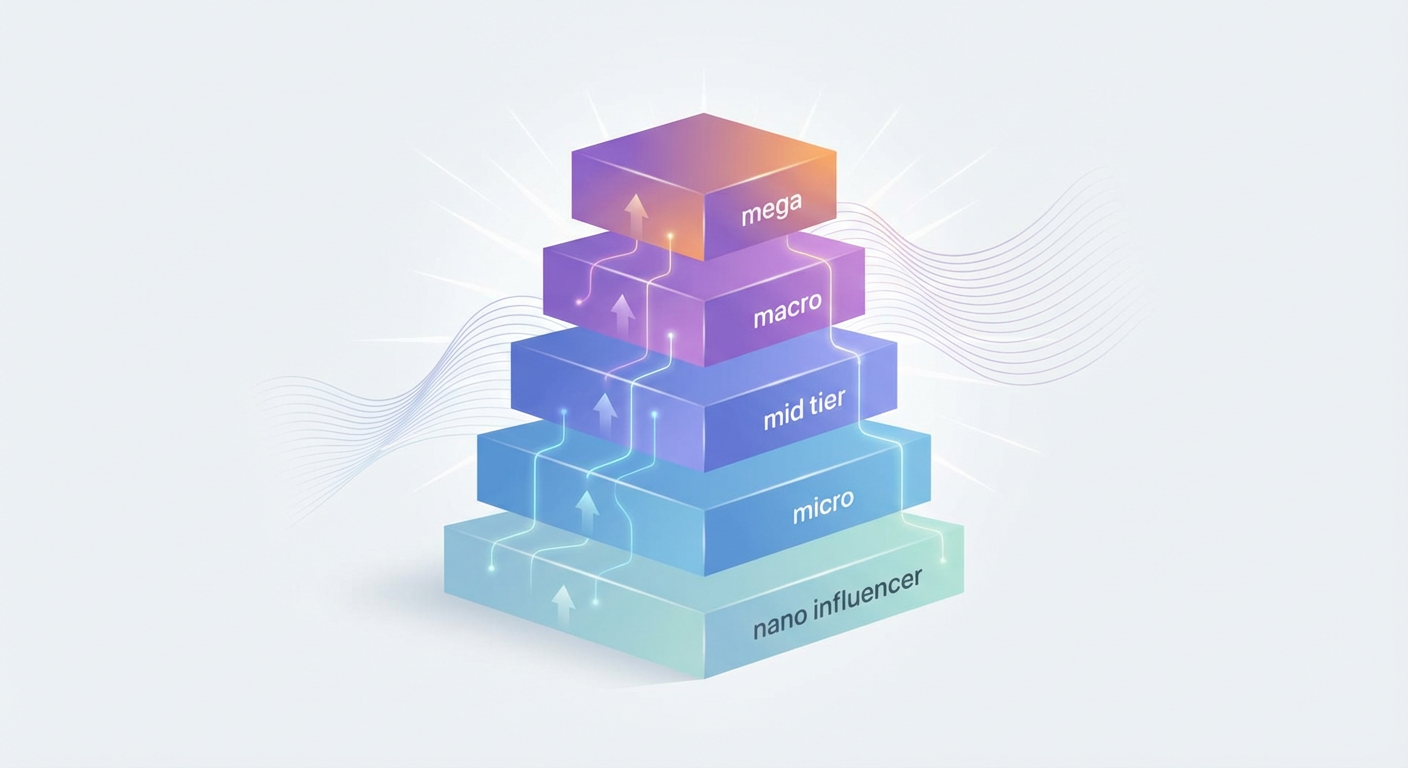
The earning potential for TikTok influencers varies significantly, largely depending on their follower count. This section details the typical compensation per sponsored post across different influencer tiers, from nano-influencers to mega-influencers. It highlights the opportunities for creators of all sizes to monetize their content on TikTok.
TikTok has rapidly become a significant platform for digital creators to generate income. While top earners command multi-million dollar incomes annually, the platform also offers opportunities for creators with smaller followings. The growth of TikTok’s user base and the increasing interest from brands have driven a steady rise in influencer rates. Sponsored content is the primary revenue stream for most TikTok influencers, far surpassing the earnings from the platform’s Creator Fund.
The field of TikTok Influencer Tiers
Influencers on TikTok are categorized based on their follower counts. These categories help define their potential reach and, consequently, their rates for sponsored posts. In 2023, the average cost of a sponsored TikTok video was approximately $3,514[6]. This figure covers a broad range of influencers, showing that even mid-level creators can earn thousands of dollars for a single promotional video. The market for sponsored content on TikTok surged significantly, with average rates for top-tier creators more than doubling from 2020 to late 2021[5]. In 2020, influencers with large followings charged around $50,000 to $120,000 per post. By late 2021, these rates rose to $100,000-$250,000 per post[5]. This rapid increase illustrates how quickly the advertising value on TikTok grew.
Nano-Influencers: 1K – 10K Followers
Nano-influencers are creators with a relatively small but often highly engaged follower base, typically ranging from 1,000 to 10,000 followers. Many businesses find value in working with nano-influencers because they often have authentic connections with their audience and can drive strong engagement within specific niches. In 2023, nano-influencers could expect to earn approximately $800 per sponsored post[7]. While this figure is lower than what larger influencers command, it represents a meaningful income opportunity for individuals who are passionate about their content and can build a dedicated community.
The relatively accessible rates for nano-influencers appeal to smaller brands or those looking to implement highly targeted campaigns. These creators often produce content that feels more organic and less like traditional advertising, which can resonate positively with their followers. The ability for nano-influencers to earn revenue underscores that TikTok’s monetization opportunities are not limited to only the most famous creators.
Micro-Influencers: 10K – 50K Followers
Micro-influencers have a follower count between 10,000 and 50,000. These creators often specialize in particular topics or aesthetics, attracting a more defined audience. Their engagement rates tend to be higher than those of larger influencers, making them attractive to brands seeking specific demographics. For a sponsored post in 2023, micro-influencers typically charged around $1,500[7]. This rate makes them a cost-effective option for many brands, allowing for broader campaigns with multiple creators rather than a single large influencer.
The success of micro-influencers highlights TikTok’s role in democratizing the creator economy. Individuals can build a substantial following and income stream without achieving mega-star status. For example, “Miss Excel” (Kat Norton) successfully monetized her expertise, reportedly earning around $100,000 per day during her biggest course launches, despite having around 800,000 TikTok followers rather than millions[13]. She leveraged TikTok as a marketing funnel to sell her online Excel training courses, demonstrating that a deep niche and a clear monetization strategy can lead to significant income even without a mega-influencer following.
Mid-Tier Influencers: 50K – 500K Followers
Mid-tier influencers possess a follower count ranging from 50,000 to 500,000. These creators typically have a strong presence and are recognized within their niches. Their audience size offers a balance of broad reach and focused engagement. In 2023, mid-tier influencers charged approximately $3,000 for a sponsored post[7]. This tier represents a significant step up in earning potential compared to nano- and micro-influencers, reflecting their increased influence and larger audience reach.
Brands often seek out mid-tier influencers for campaigns that require a substantial audience while still maintaining a sense of authenticity. These creators are often seen as more relatable than mega-influencers, which can lead to higher trust and conversion rates for sponsored content.
Macro-Influencers: 500K – 1M Followers
Macro-influencers have a follower count between 500,000 and 1 million. These creators have cultivated a large following and are often well-known within their content categories. Their reach is substantial, yet they often maintain a high level of engagement with their audience. For a sponsored post in 2023, macro-influencers could typically earn around $5,000[7]. This tier marks the entry point into higher-value brand deals, placing these influencers in a more competitive market.
The campaigns involving macro-influencers are usually more structured and involve larger budgets from brands. These creators often work with agencies to manage their partnerships and ensure fair compensation appropriate for their audience size and influence.
Mega-Influencers: Over 1M Followers
Mega-influencers are the top tier of TikTok creators, boasting over 1 million followers. This group includes some of the platform’s most famous personalities, who can command very high rates for sponsored content. In 2023, mega-influencers earned $7,000 or more per sponsored post[7]. However, this is a generalized average; the very top mega-influencers can earn significantly more, with some commanding hundreds of thousands or even up to $750,000 for a single post[3].
For example, Khaby Lame, the most-followed TikToker, was able to charge up to $750,000 for a single brand post in 2022 and was expected to earn $10 million that year through sponsorships and partnerships[3][4]. Another example is Charli D’Amelio, who earned an estimated $17.5 million in 2021[2], while Addison Rae made about $8.5 million in the same year[2]. By late 2021, leading companies were paying $100,000 to $250,000 per TikTok post for the biggest stars, more than double the rates from a year prior[2]. This reflects brands’ willingness to invest heavily in partnerships with influencers who have massive reach and proven impact.
Mega-influencers often diversify their income sources beyond sponsored posts, including merchandise, their own product lines, and cross-platform content. The D’Amelio sisters, for instance, expanded into a Hulu reality series and launched a fashion line with Hollister, contributing to their combined earnings of $27.5 million in 2021[2]. Addison Rae also launched her own makeup line and signed film deals, demonstrating how top TikTok talent leverages their fame into various ventures[3].
Comparison of Influencer Rates
The following table summarizes the typical earnings per sponsored post based on follower count in 2023:
| Influencer Tier | Follower Count | Average Earnings Per Sponsored Post (2023) |
|---|---|---|
| Nano-Influencer | 1K – 10K | $800 |
| Micro-Influencer | 10K – 50K | $1,500 |
| Mid-Tier Influencer | 50K – 500K | $3,000 |
| Macro-Influencer | 500K – 1M | $5,000 |
| Mega-Influencer | Over 1M | $7,000+ (up to $750,000 for top stars) |
This data highlights a clear hierarchy in earnings linked to follower size. While the average cost of a sponsored TikTok video was around $3,514 in early 2023[6], individual rates can vary widely depending on factors like audience engagement, content niche, and brand fit.
The Role of Sponsored Content in Influencer Earnings
Sponsored content is the main revenue stream for TikTok influencers. Even though TikTok offers its own Creator Fund, 30-50% of the income for top creators comes from sponsorship deals[1]. The payments from TikTok’s Creator Fund are relatively low, approximately $0.02-$0.04 per 1,000 views[5]. This means 1 million views on TikTok would only earn a creator about $20-$40[5]. This minimal payout contrasts sharply with the potential earnings from brand deals, making sponsorships a necessity for most influencers seeking to earn a living on the platform.
The low payout from the Creator Fund explains why influencers often prioritize brand partnerships and other monetization strategies. For instance, the D’Amelio sisters’ annual earnings quadrupled from under $7 million in 2020 to $27.5 million in 2021, primarily driven by expanding their brand partnerships and ventures outside of direct TikTok monetization[2].
Factors Influencing Rates Beyond Follower Count
While follower count is a primary indicator of earning potential, other factors significantly influence influencer rates:
- Engagement Rate: Brands value influencers with high engagement rates (likes, comments, shares) relative to their follower count. A smaller influencer with a highly engaged audience might command higher rates than a larger influencer with lower engagement.
- Niche and Audience Demographics: Influencers in specialized or sought-after niches, such as beauty, tech, or finance, can often charge more. Brands are willing to pay for direct access to highly targeted audiences that are relevant to their products or services.
- Content Quality and Production Value: High-quality content, both in terms of creativity and production, can justify higher rates. Influencers who consistently produce compelling and professionally made videos are more attractive to premium brands.
- Authenticity and Brand Fit: Brands seek influencers whose personal brand aligns naturally with their product. An authentic endorsement from an influencer who genuinely uses and believes in a product is more effective and therefore more valuable.
- Campaign Scope and Deliverables: The complexity of a campaign, including the number of posts, platforms involved, usage rights, and duration of the partnership, directly affects the compensation. Exclusive partnerships or long-term brand ambassador roles typically involve higher payments.
- Geographic Location: Influencer rates can vary by region due to differences in market demand, advertising budgets, and economic conditions.
The Broader Economic Impact and Opportunities
TikTok’s growth has played a significant role in the overall expansion of the creator economy. Global spending on “creator marketing” was projected to reach $21 billion in 2023, a substantial increase from just $1.6 billion in 2016[9]. TikTok has rapidly emerged as a key platform in this growth, with 38% of marketers using it for influencer campaigns in 2024, almost matching Instagram’s 39.2% usage[11].
The increasing willingness of brands to invest in TikTok reflects the platform’s ability to drive consumer purchasing. A survey revealed that 50% of TikTok users made an impulse purchase of $100 or more based on a creator’s recommendation in the past year[6]. This direct influence on sales makes TikTok creators highly valuable to businesses.
New monetization methods are also expanding opportunities for influencers. Live-streaming and virtual “gifts” allowed users to send over $250 million to live-streamers in Q3 2023 alone[7]. While TikTok takes a significant cut (around 77%), creators still receive about 23% of the gift’s value, which can be a meaningful supplement to their income[8][8]. Additionally, features like TikTok Shop and affiliate links allow influencers to earn commissions on product sales, with 42% of businesses planning to invest in TikTok’s shopping features[6]. These diverse income streams mean that creators are not solely reliant on sponsored posts, though those remain a cornerstone of their earnings.
Challenges in Earnings Distribution
Despite the high earning potential for top creators, a significant wealth gap exists within the TikTok creator community. The top few influencers capture a disproportionately large share of the earnings. For example, to make Forbes’ “top earners” list in 2021, a creator needed at least $4.75 million in annual earnings[15]. This high threshold indicates that millions of creators vying for attention will earn much less, highlighting the competitive nature of the platform. Moderate-level creators might earn far less, possibly in the low five or six figures, implying that the creator economy on TikTok can be inconsistent for many. This disparity prompts many successful influencers to diversify their income streams, expanding to other platforms or launching personal brands and products to ensure more stable and higher earnings.
Conclusion
Tiktok influencer rates are directly tied to follower count, with a progressive increase in earnings from nano-influencers to mega-influencers. While top global stars like Khaby Lame can command fees up to $750,000 per post, creators across all tiers, even those with modest followings, can generate meaningful income through sponsored content. The platform’s rapid user growth and brands’ increasing investment in creator marketing continue to drive these rates upward. However, influencers often need to diversify beyond standard sponsored posts and into areas like merchandise, e-commerce, or cross-platform content to achieve substantial and stable income.
The next section will explore into the various income streams available to TikTok influencers, including brand deals, the Creator Fund, live-streaming, and e-commerce, providing a broader understanding of how creators monetize their presence on the platform.
8. Challenges and Future Trends for Earnings
The rise of TikTok has reshaped the creator economy, creating wealth for a select group of influencers. However, this revenue growth also brings specific challenges and points to several trends that will shape future earnings. An examination of these elements is important for understanding the sustainability and distribution of income within the platform’s system.
The top TikTok creators experienced a significant increase in earnings, collectively making $55.5 million in 2021, a 200% increase from 2020[1]. Influencers like Charli D’Amelio saw their annual earnings quadruple from under $7 million in 2020 to $27.5 million in 2021[2]. Such growth signals TikTok’s power as a platform for digital creators to earn money. Charli D’Amelio alone earned an estimated $17.5 million in 2021[3], while Addison Rae made about $8.5 million in the same year[4]. Khaby Lame, the most-followed TikToker, commands up to $750,000 for a single brand post and was on track to earn $10 million in 2022[5]. These figures illustrate the high value placed on top TikTok talent.
Despite these large sums, the income field for TikTok influencers is not uniform. Disparities in earnings exist, platform monetization features are changing, competition is growing, and regulatory risks are present. These factors all influence the long-term sustainability of influencer careers and the broader creator economy on TikTok.
Disparities in Creator Earnings
One of the most pressing challenges within the TikTok system is the significant income gap between top-tier creators and the vast majority of other influencers. While names like Charli D’Amelio and Khaby Lame earn millions, the financial reality for most creators is quite different.
The Skewed Distribution of Wealth
Data shows that a relatively small group of superstar TikTokers capture the largest share of the earnings. For a creator to be included on Forbes’ list of top earners in 2021, they needed to have annual earnings of at least $4.75 million[20]. This threshold was significantly higher than the cutoff for the first TikTok rich list in 2020[21]. This indicates that while the total money available to top creators has surged, the number of individuals reaching these high levels remains small. Many mid-level creators, despite having substantial followings, earn significantly less – often in the low five or six figures annually. This contrasts sharply with the multi-million dollar incomes at the very top. This skewed income distribution can be discouraging for mid-tier creators, potentially causing some to seek out platforms with more balanced monetization opportunities.
Breakdown of Earnings Sources
Brand sponsorships are the main source of income for top TikTok influencers. For leading creators, 30-50% of their income comes from these deals[6]. Brands were paying $100,000 to $250,000 per TikTok post for major stars by late 2021, more than double the rates from the previous year[7]. This highlights that brands are willing to invest heavily in influencer partnerships that can drive sales and reach a large audience. However, these lucrative deals are typically reserved for those with millions of followers and high engagement rates.
In contrast, TikTok’s Creator Fund, designed to pay creators for views, offers relatively low payouts. Creators earn approximately $0.02-$0.04 per 1,000 views[8]. This means that 1 million views on a TikTok video results in only about $20-$40 for a creator[9]. Such modest direct income from viral videos pushes influencers to find other revenue streams. For many, the Creator Fund serves as a small bonus rather than a primary source of livelihood. This low payout system further solidifies the reliance on brand deals and other external monetization methods for substantial earnings.
The Role of Micro and Nano Influencers
Despite the dominance of mega-influencers, there are opportunities for creators with smaller followings. Micro-influencers (10,000-50,000 followers) can charge around $1,500 per post, while nano-influencers (1,000-10,000 followers) might earn around $800 per post[16]. The average sponsored TikTok post commanded about $3,500 in 2023 across all creator sizes[15]. This indicates that content creation on TikTok can still provide meaningful income, even if it does not reach the multi-million dollar level of the platform’s biggest stars. These creators often have highly engaged niche audiences, which can be attractive to brands looking for targeted marketing. However, many micro and nano influencers still struggle to secure consistent brand deals, leading to inconsistent income.
The table below summarizes the typical earnings for sponsored posts based on follower count in 2023:
| Influencer Category | Follower Count | Average Rate Per Post |
|---|---|---|
| Nano-influencer | 1K-10K | $800 |
| Micro-influencer | 10K-50K | $1,500 |
| Mid-tier influencer | 50K-500K | $3,000 |
| Macro-influencer | 500K-1M | $5,000 |
| Mega-influencer | 1M+ | $7,000+ |
Source: Kolsquare, 2023[16]
This table illustrates the steep increase in earning potential as follower counts grow. While smaller creators can earn, the jump in rates for influencers with over 500,000 followers and especially over 1 million followers is substantial, reinforcing the concentration of wealth at the top.
Evolution of Platform Monetization Features
TikTok is actively working to improve its monetization options for creators, driven by feedback about the low payouts from the original Creator Fund. These changes aim to provide more pathways for creators to earn directly from the platform.
Addressing Creator Fund Limitations
The platform introduced the Creativity Program Beta in 2023, specifically designed to offer better payouts for longer-form video content. This program is a response to the clear feedback that the original Creator Fund’s rates (e.g., $20-$40 per 1 million views) were insufficient for many creators to sustain themselves[9]. While the Creativity Program Beta aims to increase payouts, it is still in its early stages and typically applies to a subset of creators who meet specific criteria like minimum video length and follower counts. This ongoing experimentation indicates TikTok’s effort to keep creators producing content. However, creators need to stay informed about these features and meet the eligibility requirements to use them.
Growth of Live-Streaming and E-commerce
Live-streaming has become a notable source of income through virtual “gifts.” In Q3 2023 alone, TikTok users spent over $250 million on these digital gifts for live streamers[17]. The global market for these virtual gifts was estimated at $6.5 billion in 2023[18]. While TikTok retains a large portion of this revenue (approximately 77%), creators still receive about 23% of the gift’s value[19]. This revenue stream allows popular live streamers to earn significant amounts, sometimes tens of thousands per session. The live gifting economy demonstrates a direct way for fans to support creators, even with TikTok’s considerable cut.
TikTok is also expanding its e-commerce capabilities, such as TikTok Shop and affiliate links. These features enable influencers to earn commissions from product sales directly within the app. A survey showed that 42% of businesses planned to use TikTok’s shopping features in the coming year[20]. This means more opportunities for influencers to promote products and directly profit from sales. Influencers can also sell their own merchandise or products, leveraging their audience to drive sales. Miss Excel (Kat Norton) serves as a notable example, turning her Excel tips into a business selling online courses that reportedly earned her $100,000 per day during major launches and over $2 million in annual revenue[35][36]. This model moves beyond basic ad revenue and brand sponsorships, allowing creators to build their businesses using TikTok as a marketing platform.
Competition and Sustainability Concerns
The rapid growth of TikTok has brought increased competition among creators, along with concerns about sustainability and potential burnout.
Intensifying Competition Among Creators
As TikTok’s user base grew to over 1 billion globally by 2021[12], the number of content creators also surged. This increased competition makes it harder for individual creators to gain visibility, grow their audience, and secure brand deals. While TikTok’s “For You Page” algorithm can still propel unknown users to fame, maintaining that visibility requires consistent effort and adaptation to trends. The sheer volume of creators vying for attention means that even talented individuals can find it challenging to stand out.
The Multi-Platform Approach
To mitigate risks and increase earnings, many TikTok creators adopt a multi-platform strategy. They cross-post content to Instagram Reels, YouTube Shorts, and Snapchat Spotlight. These platforms often provide their own monetization programs, such as cash bonuses for popular Reels or large payouts for viral Spotlight videos, which can supplement TikTok earnings. This approach allows creators to diversify their income streams and reach wider audiences, reducing their dependence on a single platform. However, managing content across multiple platforms adds to the workload and requires understanding different algorithms and audience preferences.
Creator Burnout and Work-Life Balance
The pressure to consistently produce engaging content for TikTok’s fast-paced algorithm can lead to creator burnout. Maintaining relevance often requires frequent posting and participation in trends, which can be mentally and physically draining. Some creators have reduced their activity or stepped away from content creation due to this pressure, impacting their income. There is growing discussion about the need for work-life balance for influencers and the shift toward more stable income models, such as recurring sponsorships or fan-supported platforms, instead of constantly chasing viral trends. The industry is recognizing that treating content creation as a long-term profession requires sustainable practices rather than a relentless pursuit of virality.
Regulatory Risks and Their Potential Impact
TikTok faces ongoing geopolitical and regulatory scrutiny due to its ownership by ByteDance, a Chinese company. These external factors introduce significant uncertainty for creator earnings.
Threat of Bans and Restrictions
The most substantial regulatory risk is the potential for bans or forced sales of TikTok in major markets. India banned TikTok in 2020[22], and the United States has debated similar measures or requiring TikTok to be sold to a non-Chinese owner. If TikTok were restricted in key regions, creators could lose their audience and primary source of income overnight. Such actions would also affect current earnings but also damage the long-term prospects for influencers who have built their careers primarily on the platform.
Changes in Privacy and Advertising Policies
Beyond outright bans, changes in privacy regulations or advertising policies could also affect influencer marketing. Stricter disclosure rules for sponsored content, requiring clear labeling of ads, might impact user engagement with promotional posts. Such regulations could lead to a decrease in the effectiveness of sponsored content, potentially reducing the value brands place on influencer partnerships. These factors are largely outside the control of creators and brands, making adaptability critical for all involved in the TikTok system.
Measures for Mitigation
Savvy influencers and brands are aware of these risks and often develop contingency plans. These plans include encouraging followers to connect on other platforms like YouTube or Instagram, or building email lists to maintain direct communication with their audience. This diversification reduces reliance on TikTok as the sole point of contact or income, providing a buffer against sudden regulatory changes. The professionalization of influencer marketing now includes legal teams and agents who advise on compliance and risk management, helping creators navigate these complex external factors.
Future Trends and Long-Term Trajectory
Despite the challenges, the overall trend suggests that TikTok will continue to be a significant platform for creator earnings, with ongoing evolution in monetization strategies and career paths.
Continued Growth of Influencer Marketing Spend
The global influencer marketing industry is expanding rapidly, with brands projected to spend $21 billion on creator collaborations in 2023[10]. TikTok is a major driver of this growth. In 2024, 38% of marketers reported using TikTok for influencer campaigns, placing it almost on par with Instagram (39.2%)[11]. This demonstrates marketers’ continued belief in TikTok’s ability to reach consumers, especially younger demographics. This sustained investment from brands will ensure that sponsorship deals remain a primary income source for many influencers.
Diversification Beyond the Platform
The most successful TikTokers are increasingly diversifying their income sources beyond the platform itself. They leverage their TikTok fame to build personal brands that extend into other ventures, such as product lines, traditional media (TV shows, movies), music, books, podcasts, and entrepreneurial activities. For example, the D’Amelio sisters launched a Hulu reality series and a fashion line with Hollister[2]. Addison Rae secured a Netflix film deal and launched her own cosmetics and fragrance lines[4][33]. Khaby Lame signed major partnerships with brands like Hugo Boss[20][34]. These creators are transforming into multi-platform media personalities and business owners, showing that TikTok often serves as a launchpad rather than the sole income generator for top earners. The intellectual property (IP) created through TikTok fame becomes a valuable asset to monetize across various channels.
Maturation of the Creator Economy
The system around TikTok influencers is maturing, with the rise of talent agencies, cross-media opportunities, and pathways into traditional entertainment industries. This professionalization offers more structured career paths and support for creators. As the industry evolves, there will likely be a greater emphasis on consistent quality content, building loyal audiences, and strategic business planning, rather than relying solely on viral spikes. This shift could lead to more stable and long-term careers for influencers, treating content creation more like a profession. Agencies and managers are already advising clients on sensible content calendars and diversified income strategies to ensure sustainability. In summary, TikTok has cemented its position as a cornerstone of the creator economy. While individual revenue streams may shift, the overall opportunity for substantial earnings is expected to continue. The key for influencers and businesses will be adaptability and innovation in a constantly evolving digital environment, ready to transition should TikTok face significant changes or if new platforms gain prominence.
9. Frequently Asked Questions
This section addresses common questions about how TikTok influencers earn money, what typical earnings look like, and what the future holds for income generation on the platform. The information provided is based on data and trends observed in the influencer marketing industry, focusing specifically on TikTok.
How do TikTok influencers earn money?
TikTok influencers use several methods to generate income. The main ways include brand partnerships, payouts from TikTok’s creator programs, live streaming gifts, and e-commerce through affiliate links or product sales. Diversifying these income streams is important for high earners. The strategies employed by creators have grown more complex as the platform and the creator economy mature.
- Brand Partnerships and Sponsored Content: This is the primary source of income for most TikTok influencers, especially those with larger followings. Brands pay creators to promote products or services directly in their videos. These promotions can be single posts or part of longer-term ambassador programs. For top creators, these deals can be very profitable. Forbes reported that 30-50% of the income for leading TikTokers comes from sponsored content[6]. By late 2021, average payments for top-tier creators ranged from $100,000 to $250,000 per sponsored post, more than double the rates from the previous year[7]. Khaby Lame, for example, can charge up to $750,000 for a single brand post[3]. Even micro-influencers (10,000-50,000 followers) can expect to earn around $1,500 per post, while mega-influencers (over 1 million followers) can earn $7,000 or more per post[12]. The average cost for a sponsored TikTok video was $3,514 in early 2023[11].
- TikTok Creator Fund and Creativity Program: TikTok has programs that pay creators based on video views. The original Creator Fund offers a relatively small payout, typically $0.02-$0.04 per 1,000 views[8]. This means 1 million views might only generate $20-$40[9]. Due to these low rates, the Creator Fund alone is not considered a main source of income for many creators. In 2023, TikTok introduced the Creativity Program Beta to offer better payouts for longer videos, but this program is still in its early stages.
- Live Streaming and Virtual Gifts: TikTok Live allows users to send virtual gifts to creators during live broadcasts. These gifts are purchased with real money and can be redeemed by creators for cash. In Q3 2023 alone, users spent over $250 million on digital gifts for live streamers[13]. While TikTok reportedly keeps about 77% of the gift value, leaving creators with about 23%[14], top streamers can still earn significant sums through these donations. The global tipping economy on TikTok was estimated at $6.5 billion in 2023, with creators receiving around $1.5 billion from this[15].
- E-commerce and Affiliate Marketing: Influencers can earn commissions by promoting products through affiliate links or by selling their own merchandise. TikTok Shop and product link tags have made it easier for creators to integrate shopping into their content. A survey showed that 42% of businesses planned to use TikTok’s shopping features, indicating growth in this area[17]. Creators like Kat Norton (“Miss Excel”) use TikTok primarily as a marketing tool to drive sales of their own online courses, reportedly earning around $100,000 per day during major course launches.
- Cross-Platform Monetization and Personal Brand Expansion: Many successful TikTokers expand their reach to other platforms like YouTube, Instagram, and Twitch to access additional monetization options. They also build personal brands that extend beyond social media, pursuing ventures like product lines, books, reality TV shows, music careers, and film roles. The D’Amelio sisters, for example, launched a Hulu reality show and a clothing line, boosting their combined earnings to $27.5 million in 2021[2]. Addison Rae used her TikTok fame to secure a Netflix film deal and launch a makeup brand[42]. These strategies solidify their income streams and reduce reliance on a single platform.
What are typical TikTok influencer earnings?
The earnings of TikTok influencers vary widely, depending on follower count, engagement rates, niche, and monetization strategies. While a small number of top creators earn millions, the majority earn more modest incomes.
Earnings for Top-Tier Influencers
The top TikTok creators have seen substantial income growth. In 2021, the highest-paid TikTok stars collectively earned $55.5 million, a 200% increase from 2020[1]. To make Forbes’ list of top earners in 2021, a creator needed at least $4.75 million in annual earnings[40].
- Charli D’Amelio: Earned an estimated $17.5 million in 2021[2].
- Addison Rae: Made an estimated $8.5 million in 2021[4]. She was TikTok’s top earner in Forbes’ first list (mid-2019 to mid-2020) with $5 million in 12 months[42].
- D’Amelio Sisters (Charli and Dixie): Combined earnings of $27.5 million in 2021, up from under $7 million in 2020[2].
- Khaby Lame: The most-followed TikToker, can charge up to $750,000 for a single brand post and was projected to earn $10 million in 2022[3]. His typical fee is closer to $350,000 per post[10].
These figures highlight that top influencers often generate income through diversified business ventures and brand deals rather than just platform-specific payouts.
Earnings by Follower Count
Earnings per sponsored post vary by the size of the influencer’s following. Data from 2023 shows the following approximate rates[12]:
| Influencer Tier | Follower Count | Estimated Earnings per Post |
|---|---|---|
| Nano-influencer | 1,000 – 10,000 | $800 |
| Micro-influencer | 10,000 – 50,000 | $1,500 |
| Mid-tier influencer | 50,000 – 500,000 | $3,000 |
| Macro-influencer | 500,000 – 1,000,000 | $5,000 |
| Mega-influencer | Over 1,000,000 | $7,000+ |
This table demonstrates that even creators with smaller followings can earn money from brand partnerships, making TikTok a viable income source for many.
Creator Fund Payouts
The TikTok Creator Fund’s payouts are considerably lower than other income streams. As established, it pays only about $0.02-$0.04 per 1,000 video views[8], which translates to $20-$40 for 1 million views[9]. This makes it a supplemental income, not the main source for professional creators. For example, some creators have reported earning around $1,500 for 6 million views[23].
What are the future prospects for TikTok influencer earnings?
The future of TikTok influencer earnings is marked by continued growth, new monetization features, but also increasing competition and regulatory uncertainties.
Growth and Brand Investment
Global spending on creator marketing is projected to reach $21 billion in 2023, a significant increase from $1.6 billion in 2016[16]. TikTok is a major driver of this growth. In 2024, 38% of marketers reported using TikTok for influencer campaigns, nearly matching Instagram’s 39%[11]. This shows that brands are increasingly investing in TikTok, which will likely translate to more paid opportunities for influencers. TikTok’s user base in the U.S. grew from 100 million in 2020 to 150 million in 2023[19], and it has over 1 billion global users[18]. This large and growing audience continues to attract advertising spend.
Evolving Monetization Features
TikTok is actively working to improve creator monetization. The introduction of the Creativity Program Beta in 2023 aims to provide better payouts for longer content. Other features like TikTok Pulse, an ad-revenue-sharing program for the top 4% of videos, also indicate TikTok’s efforts to increase creator income. These changes suggest that TikTok will continue to experiment with ways for creators to earn more directly from the platform.
E-commerce Integration
The platform’s push into e-commerce, such as TikTok Shop, is expected to create more direct sales opportunities for influencers. With 42% of businesses planning to use TikTok’s shopping features[17], influencers can expect more affiliate and direct sales partnerships.
Challenges
Despite positive trends, some challenges remain:
- Competition: The number of creators on TikTok is growing rapidly, leading to increased competition for audience attention and brand deals. While there are more opportunities, securing them requires effort and unique content.
- Wealth Gap: A significant portion of the total earnings goes to a small elite group of creators. This income disparity can be discouraging for mid-tier and smaller creators. TikTok may need to further enhance monetization options for a broader range of creators to maintain an engaged creator community.
- Regulatory Risks: The geopolitical environment and potential regulatory actions (such as bans or forced sales) pose a risk to TikTok’s long-term stability in certain markets. Such events could significantly impact influencer earnings by reducing audience reach or limiting earning capabilities. Influencers often mitigate this risk by diversifying their presence across multiple platforms.
- Burnout: The fast-paced nature of TikTok and the pressure to consistently produce viral content can lead to creator burnout. This calls for more sustainable income models and a focus on long-term career planning beyond chasing viral trends.
Overall, TikTok is likely to remain a major player in the creator economy. Influencers who can adapt to new platform features, diversify their income streams, and build strong, authentic brands will be best positioned for continued success. The shift toward creators building their own businesses, products, and cross-platform presences ensures that the impact of TikTok fame extends beyond the application itself, creating lasting careers for those who leverage it effectively.
References
- Top-Earning TikTok-ers 2022: Charli And Dixie D’Amelio And Addison Rae Expand Fame—And Paydays
- Những TikToker có thu nhập cao nhất năm 2021
- Những TikToker có thu nhập cao nhất năm 2021
- Những TikToker có thu nhập cao nhất năm 2021
- Fact Check: TikTok Mastermind Khaby Lame Makes $750K Per Post With 149M Followers
- Top-Earning TikTok-ers 2022: Charli And Dixie D’Amelio And Addison Rae Expand Fame—And Paydays
- Top-Earning TikTok-ers 2022: Charli And Dixie D’Amelio And Addison Rae Expand Fame—And Paydays
- How Much Do TikTok Influencers Make? Statistics & Facts (2025)
- How Much Do TikTok Influencers Make? Statistics & Facts (2025)
- Forbes Top Creators 2023: The Richest On TikTok, Instagram & YouTube
- Influencer Marketing Report May 2024
- Top-Earning TikTok-ers 2022: Charli And Dixie D’Amelio And Addison Rae Expand Fame—And Paydays
- TikTok Now Has More Than 150M U.S. Users
- 2023 TikTok Influencer Rates
- 2023 TikTok Influencer Rates
- New Report Shows More Users Are Spending Money on TikTok | Social Media Today
- Report: TikTok takes 77% cut of Gift payments sent to creators
- Report: TikTok takes 77% cut of Gift payments sent to creators
- How TikTok Shopping Influencers Shape Consumer Decisions | Adobe
- How TikTok Shopping Influencers Shape Consumer Decisions | Adobe
- Top-Earning TikTok-ers 2022: Charli And Dixie D’Amelio And Addison Rae Expand Fame—And Paydays
- Top-Earning TikTok-ers 2022: Charli And Dixie D’Amelio And Addison Rae Expand Fame—And Paydays
- TikTok’s 7 Highest-Earning Stars: New Forbes List Led By Teen Queens Addison Rae And Charli D’Amelio
- TikTok’s 7 Highest-Earning Stars: New Forbes List Led By Teen Queens Addison Rae And Charli D’Amelio
- Fact Check: TikTok Mastermind Khaby Lame Makes $750K Per Post With 149M Followers
- Fact Check: TikTok Mastermind Khaby Lame Makes $750K Per Post With 149M Followers
- Fact Check: TikTok Mastermind Khaby Lame Makes $750K Per Post With 149M Followers
- Top-Earning TikTok-ers 2022: Charli And Dixie D’Amelio And Addison Rae Expand Fame—And Paydays
- 2023 TikTok Influencer Rates
- 2023 TikTok Influencer Rates
- How Much Do TikTok Influencers Make? Statistics & Facts (2025)
- How Much Do TikTok Influencers Make? Statistics & Facts (2025)
- New Report Shows More Users Are Spending Money on TikTok | Social Media Today
- Report: TikTok takes 77% cut of Gift payments sent to creators
- Report: TikTok takes 77% cut of Gift payments sent to creators
- Report: TikTok takes 77% cut of Gift payments sent to creators
- Forbes Top Creators 2023: The Richest On TikTok, Instagram & YouTube
- Forbes Top Creators 2023: The Richest On TikTok, Instagram & YouTube
- Influencer Marketing Report May 2024
- TikTok Now Has More Than 150M U.S. Users
- Top-Earning TikTok-ers 2022: Charli And Dixie D’Amelio And Addison Rae Expand Fame—And Paydays
- How TikTok Shopping Influencers Shape Consumer Decisions | Adobe
- How TikTok Shopping Influencers Shape Consumer Decisions | Adobe
- Những TikToker có thu nhập cao nhất năm 2021
- Top-Earning TikTok-ers 2022: Charli And Dixie D’Amelio And Addison Rae Expand Fame—And Paydays
- Những TikToker có thu nhập cao nhất năm 2021
- Top-Earning TikTok-ers 2022: Charli And Dixie D’Amelio And Addison Rae Expand Fame—And Paydays
- TikTok Now Has More Than 150M U.S. Users
- Forbes Top Creators 2023: The Richest On TikTok, Instagram & YouTube
- Influencer Marketing Report May 2024
- Influencer Marketing Benchmark Report 2026
- 2023 TikTok Influencer Rates
- Top-Earning TikTok-ers 2022: Charli And Dixie D’Amelio And Addison Rae Expand Fame—And Paydays
- Top-Earning TikTok-ers 2022: Charli And Dixie D’Amelio And Addison Rae Expand Fame—And Paydays
- How Much Do TikTok Influencers Make? Statistics & Facts (2025)
- The TikTok Creator Fund Reality Check: Why 6 Million Views Only Made $1,500 (And What Actually Pays)
- New Report Shows More Users Are Spending Money on TikTok | Social Media Today
- Report: TikTok takes 77% cut of Gift payments sent to creators
- How TikTok Shopping Influencers Shape Consumer Decisions | Adobe
- Top-Earning TikTok-ers 2022: Charli And Dixie D’Amelio And Addison Rae Expand Fame—And Paydays
- Những TikToker có thu nhập cao nhất năm 2021
- Những TikToker có thu nhập cao nhất năm 2021
- Những TikToker có thu nhập cao nhất năm 2021
- Fact Check: TikTok Mastermind Khaby Lame Makes $750K Per Post With 149M Followers
- Fact Check: TikTok Mastermind Khaby Lame Makes $750K Per Post With 149M Followers
- Forbes Top Creators 2023: The Richest On TikTok, Instagram & YouTube
- Top-Earning TikTok-ers 2022: Charli And Dixie D’Amelio And Addison Rae Expand Fame—And Paydays
- TikTok’s 7 Highest-Earning Stars: New Forbes List Led By Teen Queens Addison Rae And Charli D’Amelio
- Những TikToker có thu nhập cao nhất năm 2021
- Forbes Top Creators 2023: The Richest On TikTok, Instagram & YouTube
- Forbes Top Creators 2023: The Richest On TikTok, Instagram & YouTube
- Influencer Marketing Report May 2024
- How TikTok Shopping Influencers Shape Consumer Decisions | Adobe
- 2023 TikTok Influencer Rates
- 2023 TikTok Influencer Rates
- Những TikToker có thu nhập cao nhất năm 2021
- TikTok’s 7 Highest-Earning Stars: New Forbes List Led By Teen Queens Addison Rae And Charli D’Amelio
- TikTok’s 7 Highest-Earning Stars: New Forbes List Led By Teen Queens Addison Rae And Charli D’Amelio
- Những TikToker có thu nhập cao nhất năm 2021
- Những TikToker có thu nhập cao nhất năm 2021
- Top-Earning TikTok-ers 2022: Charli And Dixie D’Amelio And Addison Rae Expand Fame—And Paydays
- Những TikToker có thu nhập cao nhất năm 2021
- Những TikToker có thu nhập cao nhất năm 2021
- Fact Check: TikTok Mastermind Khaby Lame Makes $750K Per Post With 149M Followers
- Fact Check: TikTok Mastermind Khaby Lame Makes $750K Per Post With 149M Followers
- Fact Check: TikTok Mastermind Khaby Lame Makes $750K Per Post With 149M Followers
- How Miss Excel Turned Her Viral TikToks Into a $2M Business
- How Miss Excel Turned Her Viral TikToks Into a $2M Business
- Top-Earning TikTok-ers 2022: Charli And Dixie D’Amelio And Addison Rae Expand Fame—And Paydays
- Top-Earning TikTok-ers 2022: Charli And Dixie D’Amelio And Addison Rae Expand Fame—And Paydays
- Những TikToker có thu nhập cao nhất năm 2021
- Những TikToker có thu nhập cao nhất năm 2021
- Fact Check: TikTok Mastermind Khaby Lame Makes $750K Per Post With 149M Followers
- Fact Check: TikTok Mastermind Khaby Lame Makes $750K Per Post With 149M Followers
- 2023 TikTok Influencer Rates
- 2023 TikTok Influencer Rates
- How Much Do TikTok Influencers Make? Statistics & Facts (2025)
- How TikTok Shopping Influencers Shape Consumer Decisions | Adobe
- How TikTok Shopping Influencers Shape Consumer Decisions | Adobe
- New Report Shows More Users Are Spending Money on TikTok | Social Media Today
- Report: TikTok takes 77% cut of Gift payments sent to creators
- Report: TikTok takes 77% cut of Gift payments sent to creators
- Forbes Top Creators 2023: The Richest On TikTok, Instagram & YouTube
- TikTok Now Has More Than 150M U.S. Users
- Influencer Marketing Report May 2024
- TikTok’s 7 Highest-Earning Stars: New Forbes List Led By Teen Queens Addison Rae And Charli D’Amelio
- TikTok’s 7 Highest-Earning Stars: New Forbes List Led By Teen Queens Addison Rae And Charli D’Amelio
- How Miss Excel Turned Her Viral TikToks Into a $2M Business
- How Miss Excel Turned Her Viral TikToks Into a $2M Business
- TikTok Now Has More Than 150M U.S. Users
- Forbes Top Creators 2023: The Richest On TikTok, Instagram & YouTube